There’s a concept that explains why many companies struggle with innovation despite having talented people: pent-up innovation. It’s the brilliant ideas from frontline workers that have been locked away for years, waiting for technology to catch up.
That technology has arrived, and what’s being unleashed is remarkable.
The Innovation That’s Been Waiting
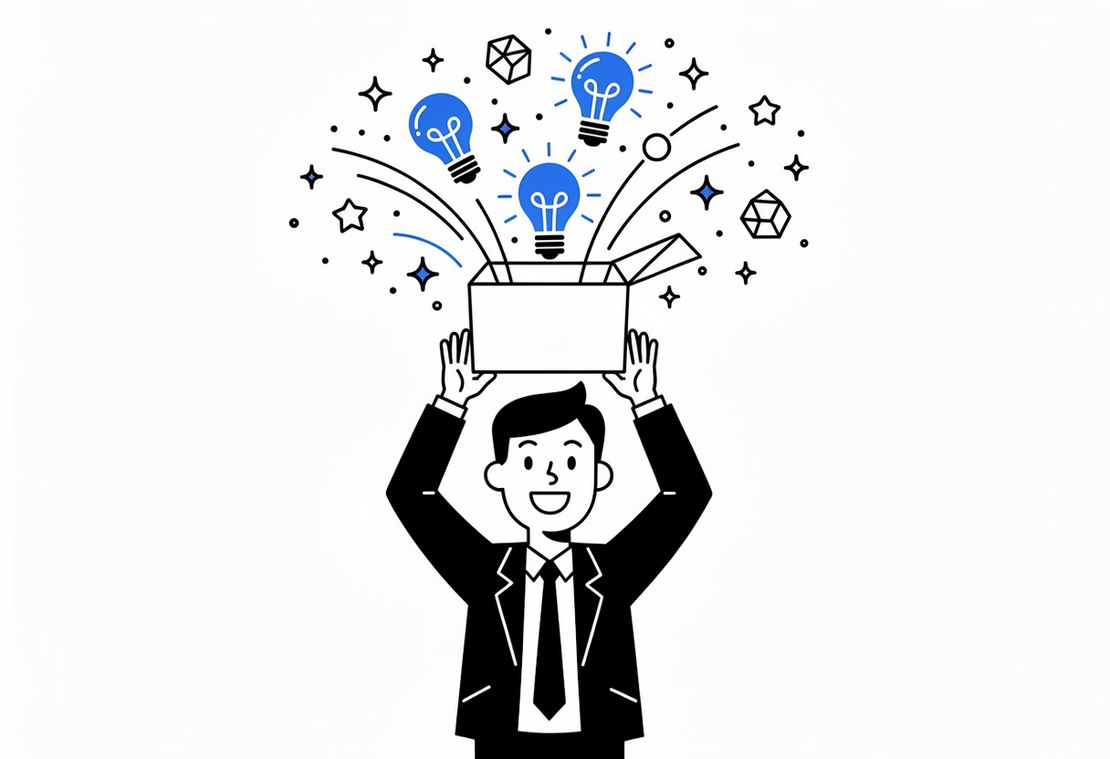
Pent-up innovation is innovation that’s been on the sidelines for years because nobody could afford to get their ideas out of their head into the wild.
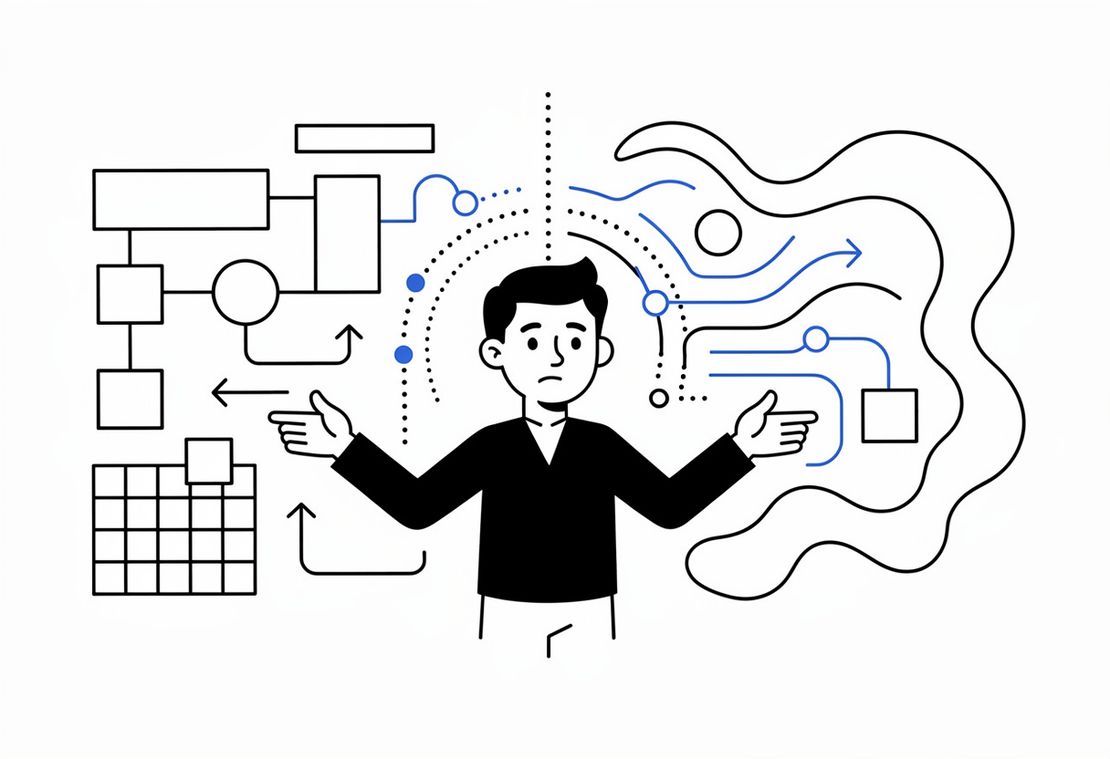
Think about what that means. Your employees—the people actually doing the work every day—have seen problems, thought of solutions, and then watched those ideas die. Not because the ideas were bad. Not because anyone opposed them. But because there was no feasible path from “I have an idea” to “this idea now exists.”
If you wanted to build a tool, you needed developers. If you wanted developers, you needed budget. If you needed budget, you needed to justify the ROI to leadership. For a team of three people with a workflow problem? That was never going to happen.
So the ideas stayed trapped. Year after year. Across every department. Hundreds of improvements that could have happened but didn’t.
AI is finally opening the floodgates.
What Superhuman Employees Look Like
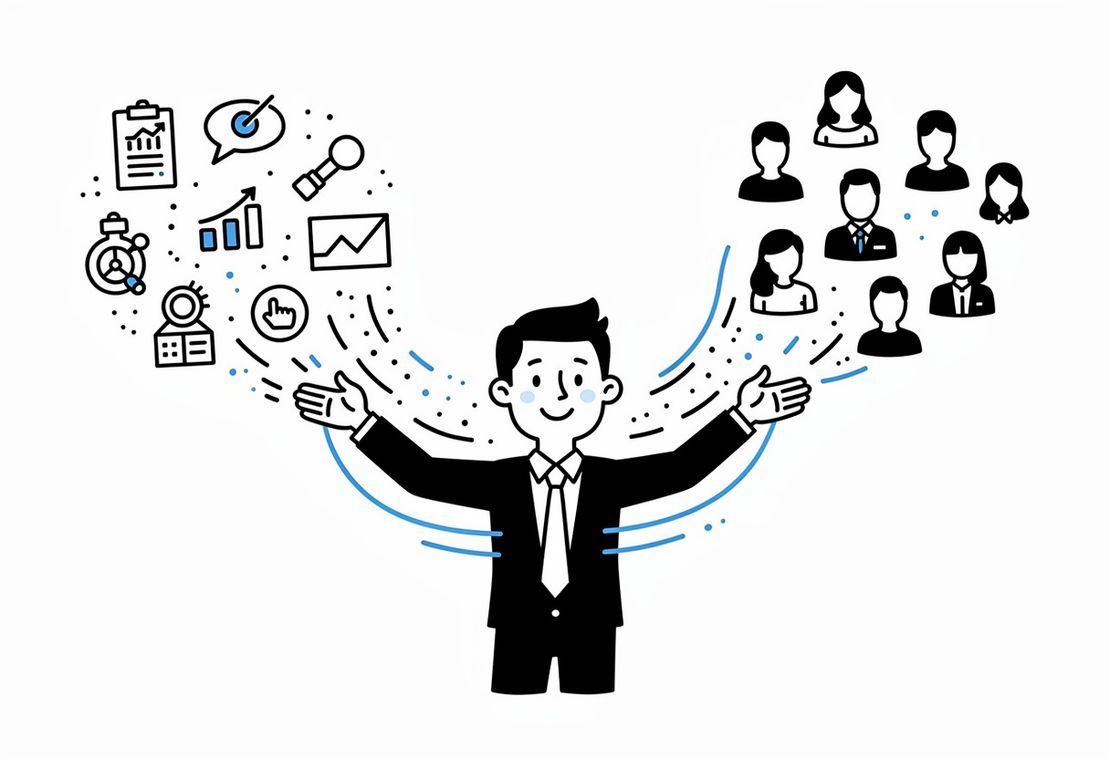
The view of AI that makes sense isn’t about replacing people. It’s about creating superhuman AI-powered employees.
When you show people that you can do something with AI, they light up. They have this aha moment and then get fired up about wanting to try things, wanting to do more. This is what unlocking pent-up innovation actually looks like.
An employee who’s been frustrated by a manual process for years suddenly realizes they can fix it themselves. They get excited. They start thinking about what else they could improve. They go from feeling powerless to feeling empowered.
The concept works like this: all your normal skill sets plus AI equal superpowers. That’s not just for consultants or technical people. That’s what happens when you give your frontline workers AI capabilities. Their existing expertise multiplied by AI tools creates something powerful.
The Scale Opportunity: Micro-Innovation
When you unlock pent-up innovation, you don’t get a few big ideas. You get micro-innovation at scale.
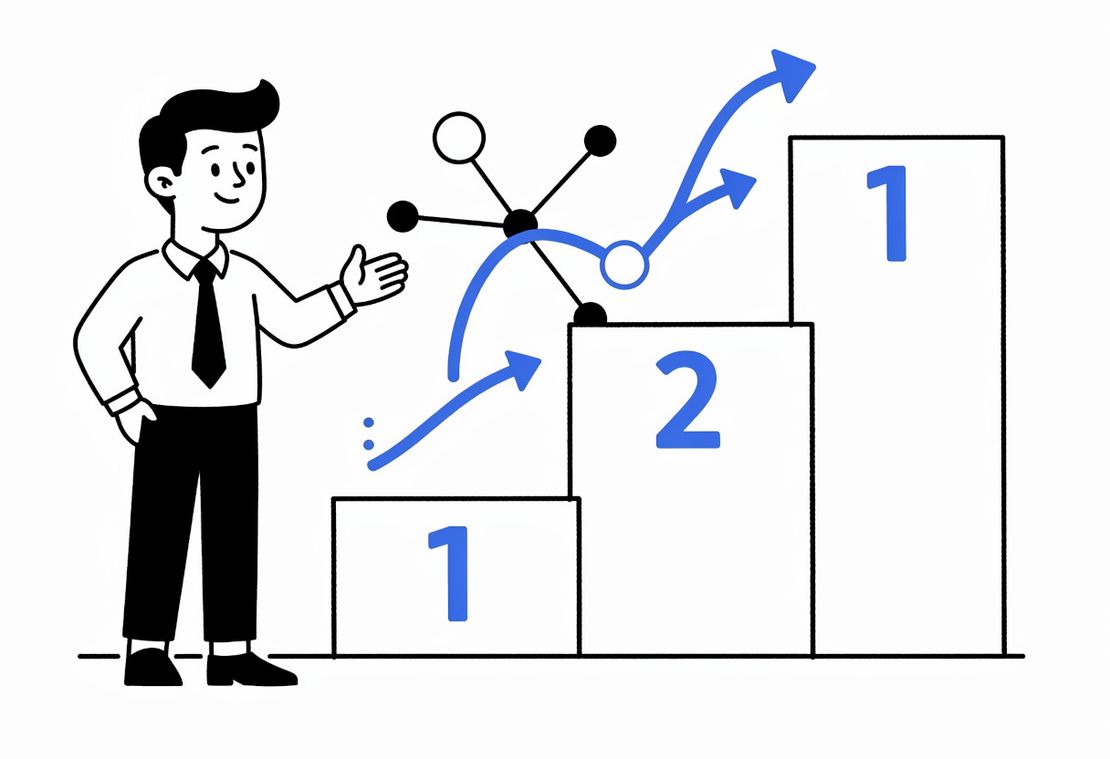
In the past, innovation was centralized—a few big initiatives per year, high stakes, significant resources. But when you empower frontline workers with AI tools, you get hundreds of small improvements across the organization. Led by people who know the problems intimately. Minimal resources per project. Low stakes.
Frontline workers have the best ideas because they’re the subject matter experts. In the past, they couldn’t get development time or resources. Now they can use AI-assisted tools to build what they envision. Maybe it’s just for their team of three initially. But if it works, word spreads. One person’s pent-up innovation becomes a company-wide solution.
The Technical Barrier Is Gone
Part of what kept innovation pent-up was the technical barrier. Most employees couldn’t code. They couldn’t build automations. They couldn’t create tools. Even if they knew exactly what they needed, they couldn’t make it happen.
That barrier is disappearing. Someone with an idea can now use AI-assisted development tools to build functional applications. You’re not going to get it off localhost and somewhere manageable on the first try, but you want to see that. You want to release that pent-up innovation that’s been locked away in these corners and silos.
Employees are building things without IT involvement. Not because they’re circumventing processes, but because the barrier to execution has dropped so dramatically that small-scale solutions are now feasible.
Here’s what this looks like in practice: A junior employee with no technical background needed a simple tool to track project milestones for their team. Using Claude Code, they built it in an afternoon. Then they realized the potential: “Can I build other things?” The answer was yes. They proceeded to build a client communication tracker, then a reporting dashboard, then more.
That’s the power of AI-assisted development. Someone with no formal coding training can build functional software. The ideas that were locked in their head can now become real.
How AI Makes People More Human
There’s an interesting aspect to how AI changes work. AI is like a technology, but it’s teaching us to be more human again.
We’ve been trained to interact with technology in unnatural ways. Look at how people use Google. It’s not a sentence. It’s like a carefully constructed list of subliminal keywords that we’ve learned to use.
We’ve adapted ourselves to machines. Learned their language. Followed their rules. AI reverses this. AI is actually a lot more human, ironically, than the technologies we’ve been using.
You can have nuanced conversations with AI. You can describe what you want in normal language. You can iterate on ideas naturally. This ability to have nuanced conversations with technology matches how people naturally think and work.
When employees don’t have to translate their ideas into technical specifications, when they can just describe what they need, more innovation flows out. The pent-up ideas finally have a path to execution.
The Vendor Mindset Versus the Possibility Mindset
Something holds companies back from unlocking pent-up innovation: the vendor mindset.
Over the last 15 to 20 years, we’ve found ourselves in this vendor economy, this SaaS economy, this vendor mindset. And it’s crept into the way we actually solution for problems.
Here’s what happens: Someone has a problem. Their instinct is immediately, “What product can I buy to solve this?” They start evaluating vendors, comparing features, going through procurement, training people on the new tool.
This vendor mindset kills pent-up innovation. Because if the problem is small or specific, there’s no product for it. And even if there is, it won’t quite fit. So the idea dies before it’s born.
There’s a better way to think about this. Consider the “intern exercise”: If you had five interns who were incredibly smart but needed detailed instructions, how would you solve this problem?
This reframes the question from “what can I buy?” to “what’s the actual process that needs to happen?” Once you think about it as a process, you can see where AI fits. Maybe those “interns” are AI agents following your instructions.
Another useful question is the “blue sky” approach: How would you solve this if you had no constraints on budget, people, or time? This gets people out of the vendor mindset and into possibility thinking.
This shift matters because it unlocks the pent-up innovation. Employees stop thinking, “I can’t do anything about this because we don’t have budget for a new tool.” They start thinking, “What if I could just build what I need?”
What Companies Get When They Unlock This
When companies successfully release pent-up innovation, the results aren’t top-down enterprise initiatives. They’re micro-innovations—dozens of small improvements across departments, built by employees who finally had the framework and tools to execute ideas that were sitting in their heads for years.
The measurable impact matters: time savings, efficiency gains, automated workflows. But the unmeasurable impact might matter more. Employees shift from frustrated to empowered, from powerless to capable. This is what happens when pent-up innovation flows freely—people light up and get fired up about possibilities.
The Shift from Individual to Organization
One person building a solution for their team isn’t the end goal—it’s the beginning. When someone builds something useful, IT reviews it for security and standards, then helps productionize it. What was one person’s pent-up innovation becomes an official company tool.
You’re not controlling innovation from the center. You’re creating ways for good innovations to surface, be evaluated, and scaled if they deserve it. Micro-innovation at scale, enabled by making the people with the best ideas technically capable of executing on them.
Why Now
This is happening now because the technology finally caught up. AI-assisted development changed the equation. Someone can learn tools like Claude Code and build functional applications within days. Not perfect. Not enterprise-grade on the first try. But working solutions that solve real problems.
Companies that succeed with AI don’t have dramatically better ideas. They unlock the ideas that were already there, waiting.
Your employees see problems every day. They’ve thought about solutions. They’ve mentioned ideas in meetings that went nowhere. Those ideas are still valuable, still waiting. The difference now is you have the technology to let them execute. The question is whether you’ll use it.
Ready to unlock the pent-up innovation in your organization? Our AI Audit identifies the high-impact opportunities your employees have been seeing for years—and shows you how to empower them to execute. Learn more about our AI Audit.